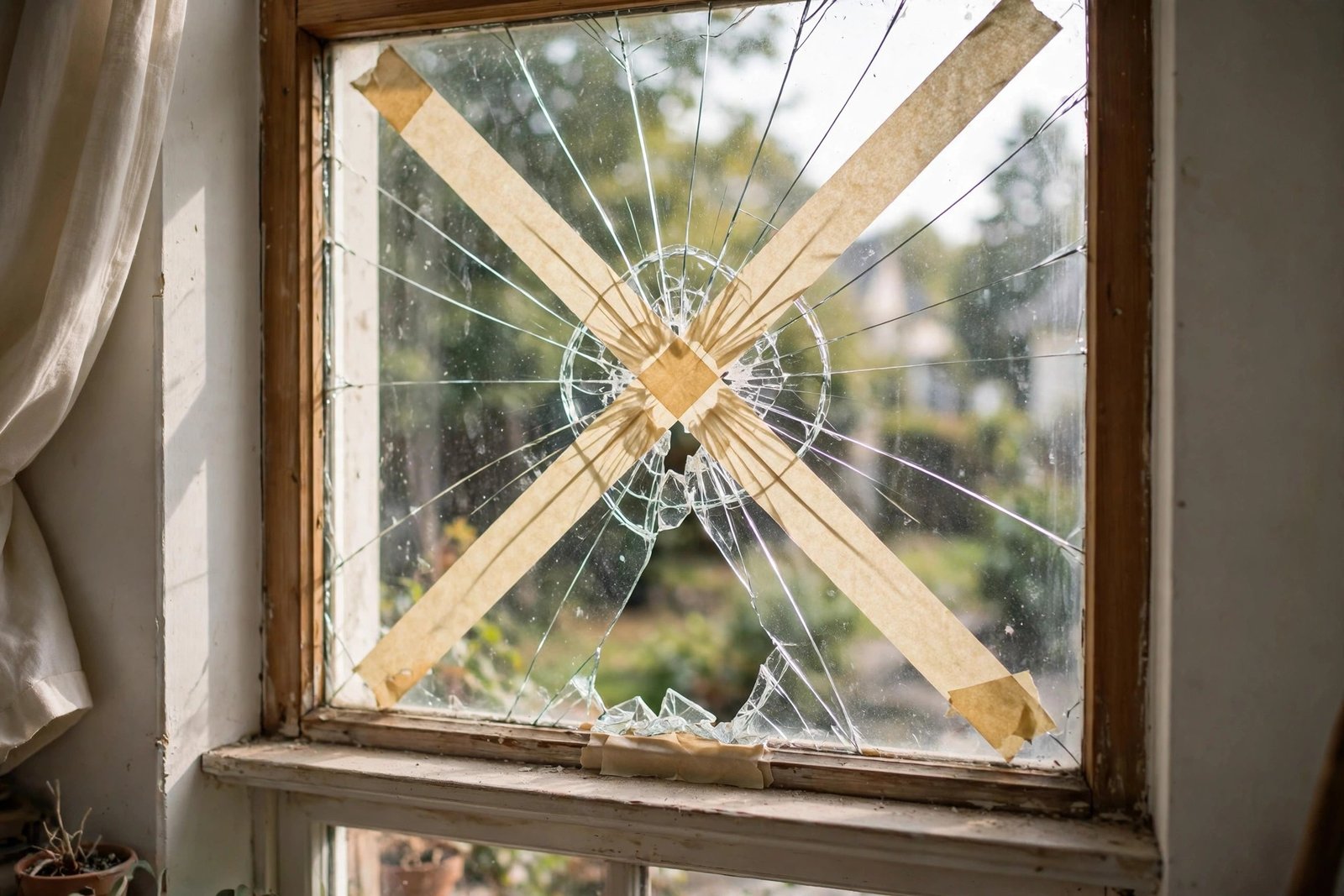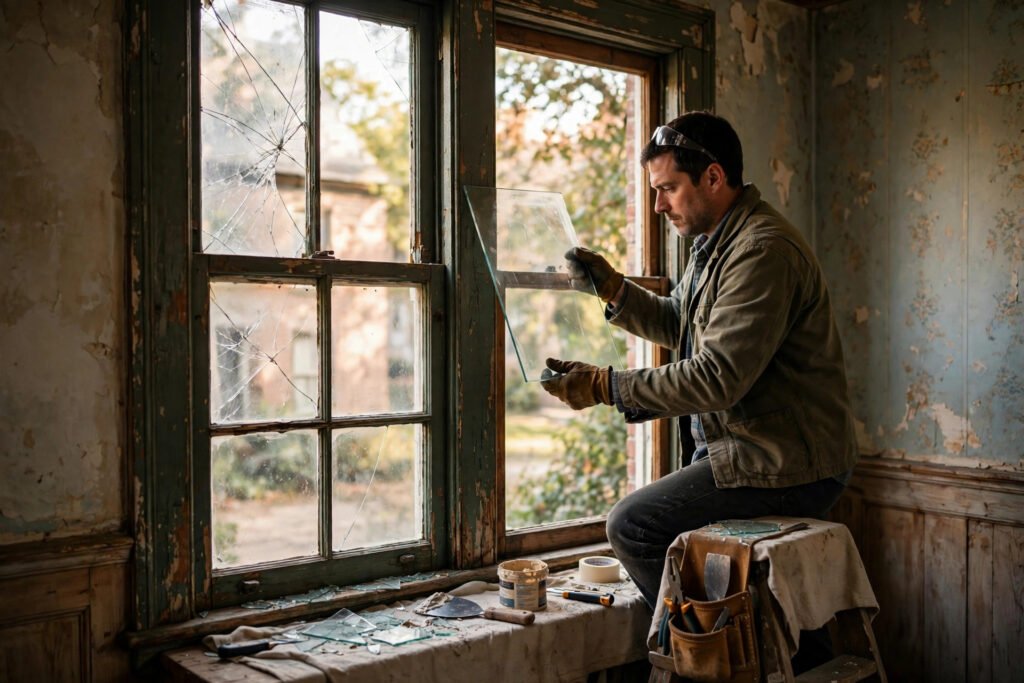
If you own an older home in Capitol Hill, Dupont Circle, Cleveland Park or another DC historic district, a cracked pane or a drafty window can turn into a bigger question than it should: am I even allowed to fix this, and who do I need to ask?
Here’s the short version. Fixing a window, including replacing broken glass, doesn’t need a permit. Replacing the window itself does, and the city reviews it. The details matter, though, so this guide walks through what DC’s Historic Preservation Office (HPO) says in plain English. We’re a glass company, not the city, so please check with HPO before you order anything.
The quick answer
- Replacing broken glass or glazing compound is treated as repair, and DC’s preservation guidelines say it doesn’t need a building permit.
- Replacing a window or sash needs a DC building permit from the Department of Buildings (DOB), and DOB sends it to HPO for review.
- Windows facing the street have to closely match the original windows.
- Vinyl windows aren’t considered appropriate on the front of a historic building.
- Talk to HPO first. Their advice is to consult them before ordering windows or starting work.
First, is your home in a historic district?
DC has a lot of them, including Capitol Hill, Dupont Circle, Cleveland Park and Washington Heights, the district around Adams Morgan. District boundaries don’t always follow the neighborhood names people use, so don’t assume. You can ask HPO to confirm an address, or look it up in DC’s property records. Two other things worth checking: whether your building is an individual landmark, and whether it has a preservation easement, which is often marked by a plaque on the front.
If your property has an easement, the guidelines say you need written approval from the easement holder before you submit a permit application for any exterior change, including windows.
What counts as repair (no permit)
DC’s guidelines say repairing windows on historic property doesn’t require a DC building permit or HPO approval. They specifically list:
- Replacing glass or glazing compound (the putty that holds a pane in place)
- Repairing damaged wood
- Painting
- Applying weatherstripping
- Installing storm windows
Screens, security bars and removable window air conditioners also don’t need a permit, as long as they don’t permanently alter the window or opening.
That’s good news for a common problem. The guidelines note that historic windows were built so broken glass can be replaced easily, and they describe loose panes, missing putty, broken sash cords and gaps around the sash as generally easy to repair. If your issue is a cracked pane, you’re usually in repair territory. If you’re not sure where your project falls, a quick email to HPO is worth it.
What counts as replacement (permit)
Replacing the window or sash is a different category. You’ll need a building permit from DOB, and for a historic property the application goes to HPO, which reviews it against the HPRB’s window standards. There’s no separate preservation permit. HPO’s clearance of your building permit is the preservation approval, and postcard permits can’t be used on historic property.
A permit application for window replacement generally needs:
- Photos of the existing windows and the building, including photos that show the deterioration if you’re replacing historic windows
- A drawing with measurements of the existing and proposed windows (not needed if only the sashes are being replaced)
- The manufacturer’s specification sheet or drawings, with the brand and model and the profile, dimensions and muntin configuration
There are also three ways to replace a window, and they aren’t equal in the city’s eyes. Replacing just the sash inside the existing frame often costs less and can match the original look well. Pocket replacement, where a new framed window goes inside the old frame, usually makes the frame look thicker and the glass area smaller, so it isn’t encouraged unless you can show it won’t change the exterior appearance. Full-frame replacement can match the original but is typically part of a larger renovation.
The matching rules for street-facing windows
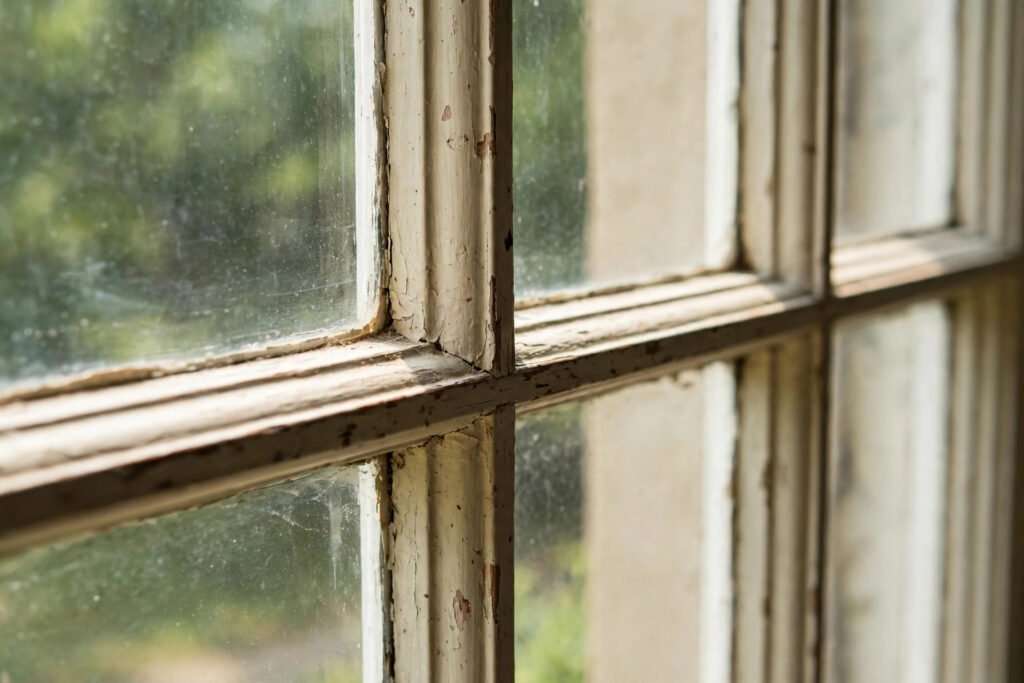
The guidelines are strictest on the “primary elevation,” which is any face of the building that fronts a street or public space. On a rowhouse, that’s the front. On a corner rowhouse, it includes the side facing the street. For those windows, replacements should closely match the original in:
- Pane layout. The number and arrangement of panes should match.
- Size and profile. The sash, frame and muntins (the strips that divide panes) should replicate the originals, and the new window should fit the opening without shrinking the glass area.
- Muntins. On multi-pane windows, they should be real or properly profiled exterior muntins. Snap-in grids and grids sealed between two panes of glass aren’t considered appropriate.
- Glass. Clear glass, unless something else is historically appropriate. Low-E coatings are acceptable if they look like clear glass. Double-pane units are allowed.
- Material. Wood is the best match. Fiberglass or clad windows can be acceptable if they truly replicate the look of wood. Vinyl is not considered appropriate on primary elevations.
Windows on the back or sides that aren’t visible from the street get more flexibility, though they should still reasonably fit and fill the opening. “Special” windows get extra protection, including curved glass, stained or leaded glass, windows with a dozen or more panes, transoms, and projecting bays. The city’s preference for those is repair, not replacement.
Where glass fits in: keep the sash, change the glass
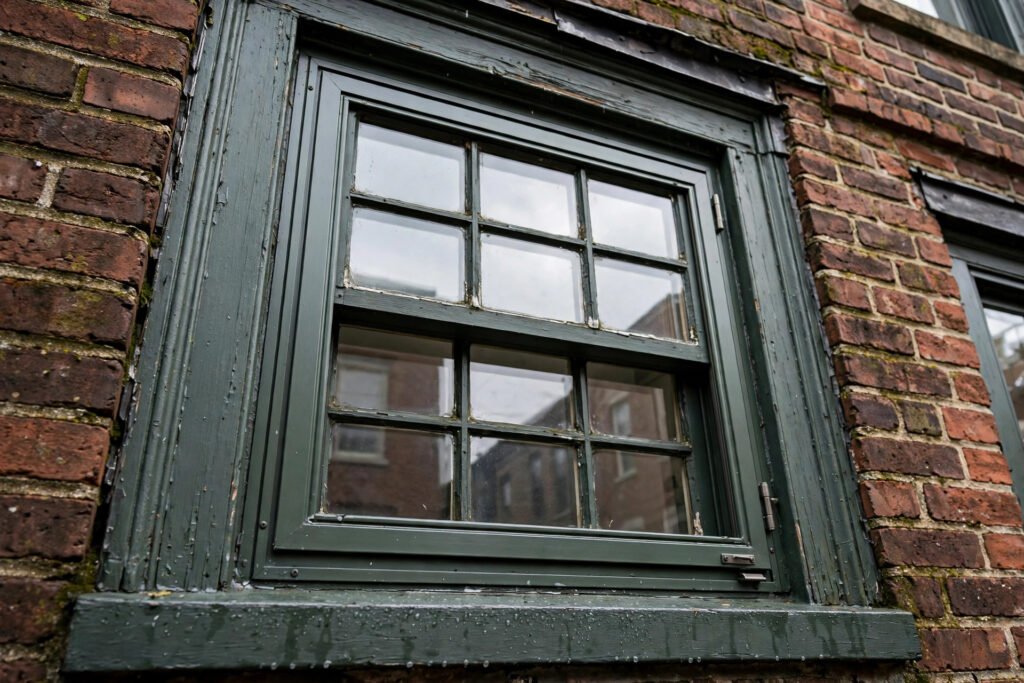
Here’s the part most window articles skip. HPO’s guidance leans toward keeping original windows and improving them, and a lot of that comes down to glass and seals:
Most heat loss in an old window happens around the edges of the sash, not through the glass. HPO says weatherstripping alone can improve a window’s efficiency by as much as half. Storm windows are a reversible way to improve efficiency, and installing them doesn’t need a permit. Retrofitting double-insulated glass into an existing single-pane sash can give efficiency close to a new double-pane window, especially when it’s paired with weatherstripping.
Whether an old sash can take a thicker insulated unit depends on its depth and condition, so it needs a look in person. A glass contractor can check that. What a glass contractor can’t decide for you is whether your project is repair or replacement in the city’s eyes, which is why asking HPO first is the safest route.
A note on lead paint
Lead-based paint wasn’t banned until 1978, and a lot of historic windows have layers of it. The city’s guidance says owners planning to strip paint from old windows should use contractors certified for that work. If your windows are being repaired or reglazed, ask whoever does the work how they handle paint.
A simple checklist before you spend money
- Confirm whether your property is in a historic district, a landmark, or has an easement.
- Photograph the windows, inside and out, and note what’s wrong.
- Decide whether the problem is a repair (broken glass, putty, weatherstripping) or a replacement.
- Email or call HPO before ordering windows. If you’re unsure whether your project is repair or replacement, ask them to confirm.
- If it’s replacement, apply for the DOB building permit and wait for HPO’s review before you order or install.
- Keep your approvals and receipts together.
Common questions
Do I need a permit to replace a cracked pane in a historic home?
According to DC’s window guidelines, replacing glass or glazing compound counts as repair and is exempt from a building permit. If your project goes beyond the glass, or you’re unsure, confirm the scope with HPO before work starts.
Can I use double-pane glass in a historic window?
Often, yes. The guidelines say replacement windows may be double-glazed, and double-insulated glass can sometimes be retrofitted into an existing sash. On street-facing windows, muntins should still look right from outside, so snap-in or between-the-glass grids are a problem.
Are vinyl windows allowed?
Not on the street-facing front of a historic building. They’re considered inappropriate there, while rear and less visible windows get more flexibility. Wood, fiberglass and clad windows that replicate the original look may be acceptable.
Do storm windows need a permit?
No. The guidelines say storm windows don’t require a building permit. They look and work best when they fit tightly and match the color of the window trim.
Who should I contact?
Start with the Historic Preservation Office at (202) 442-8800 or historic.preservation@dc.gov. For permits, use the Department of Buildings.
Rules and procedures can change. This article reflects DC’s published guidelines as of October 2026, and it’s general information, not legal advice.
Need glass work in an older DC home?
Anderson Glass Contractors is based in Lorton, VA, and we take glass jobs across DC. If you have a cracked pane or fogged glass in a sash that’s still in good shape, send us the address and a few photos, and we’ll tell you honestly what the job involves. If your project looks like a full window replacement, we’ll point you to HPO first. See our pages for glass repair in Capitol Hill, Cleveland Park, Dupont Circle and Adams Morgan, or request an estimate.
Sources: DC Historic Preservation Review Board, Window Repair and Replacement Preservation and Design Guidelines; DC Office of Planning, Building Permits for Historic Property; DC Historic Preservation Office window handout; Hill Rag, “Repairing and Replacing Historic Windows” (September 2026).